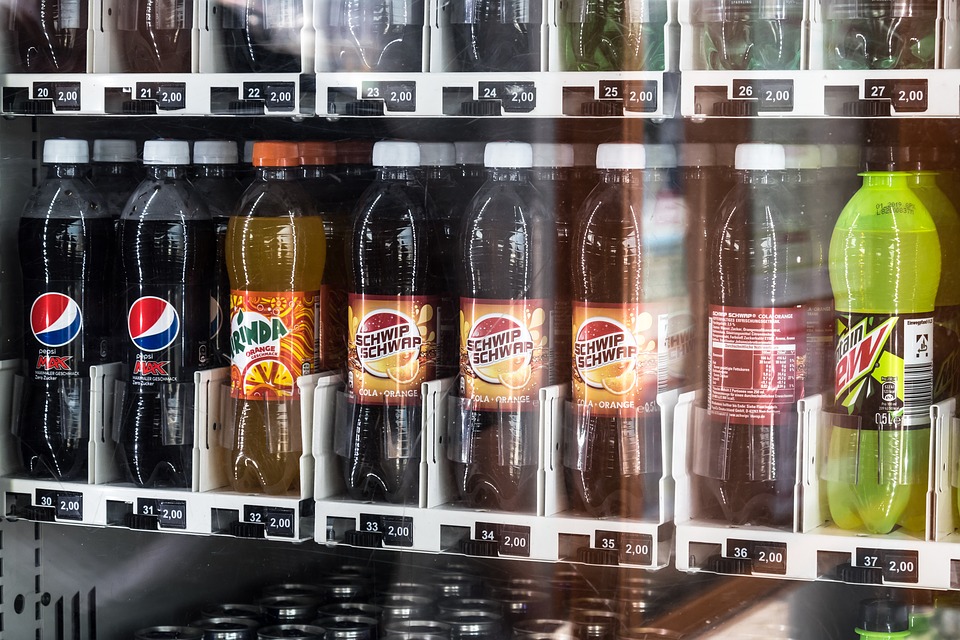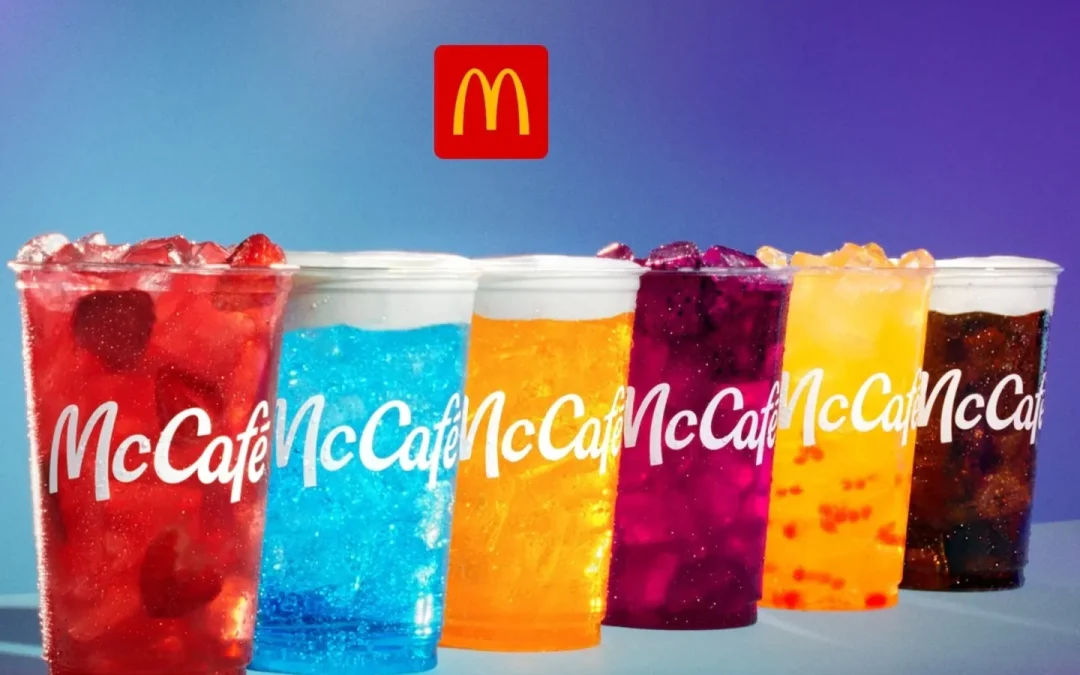
At its simplest, dirty soda is a customized soft drink: soda “spiked” with cream, flavored syrups, fruit juices, or combinations of all three. It resembles an alcohol-free mocktail, built not around intoxication but around creativity and indulgence in sweetness and flavor. A typical example might be Diet Coke blended with vanilla or peach syrup, finished with cream and ice—an invention that prioritizes personalization over uniformity.
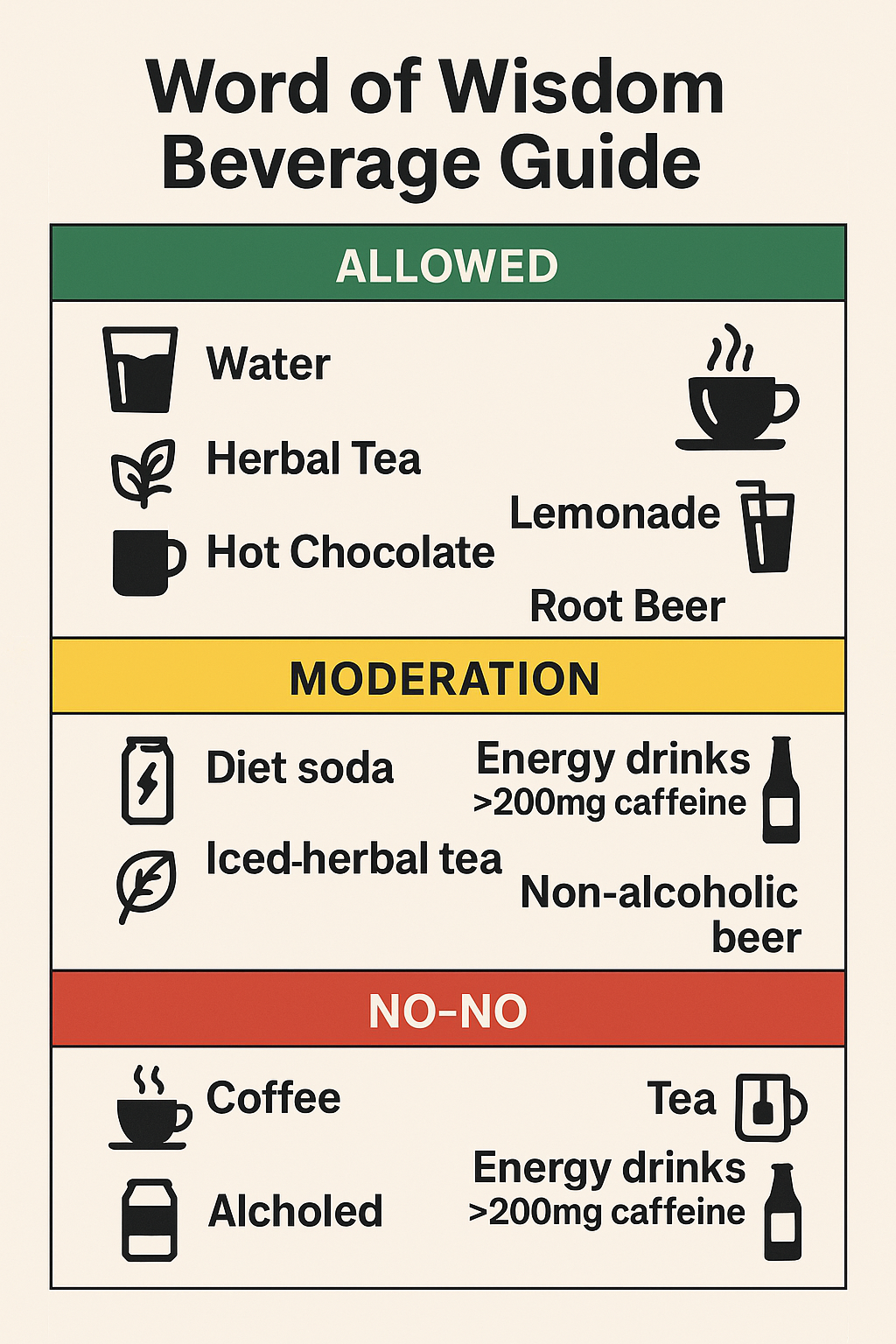
To understand why this drink emerged where it did, it helps to understand the religious and cultural framework behind it. Members of The Church of Jesus Christ of Latter-day Saints, often referred to in pop culture as “Mormons,” follow a set of health guidelines known as the Word of Wisdom, found in their scripture, the Doctrine and Covenants. This guidance encourages members to avoid alcohol, tobacco, recreational drugs, and “hot drinks,” which have traditionally been understood as coffee and tea. While caffeine itself is not explicitly banned, many members choose to avoid it, though practices vary across individuals.
In place of coffeehouses or bars as social centers, many Latter-day Saint communities developed alternative forms of gathering and refreshment. Soda—widely available, inexpensive, and highly customizable—became a natural substitute. Over time, that substitution evolved into something more creative. Rather than simply drinking soda, people began modifying it with syrups, creams, and flavor combinations, turning a simple beverage into something expressive and communal.
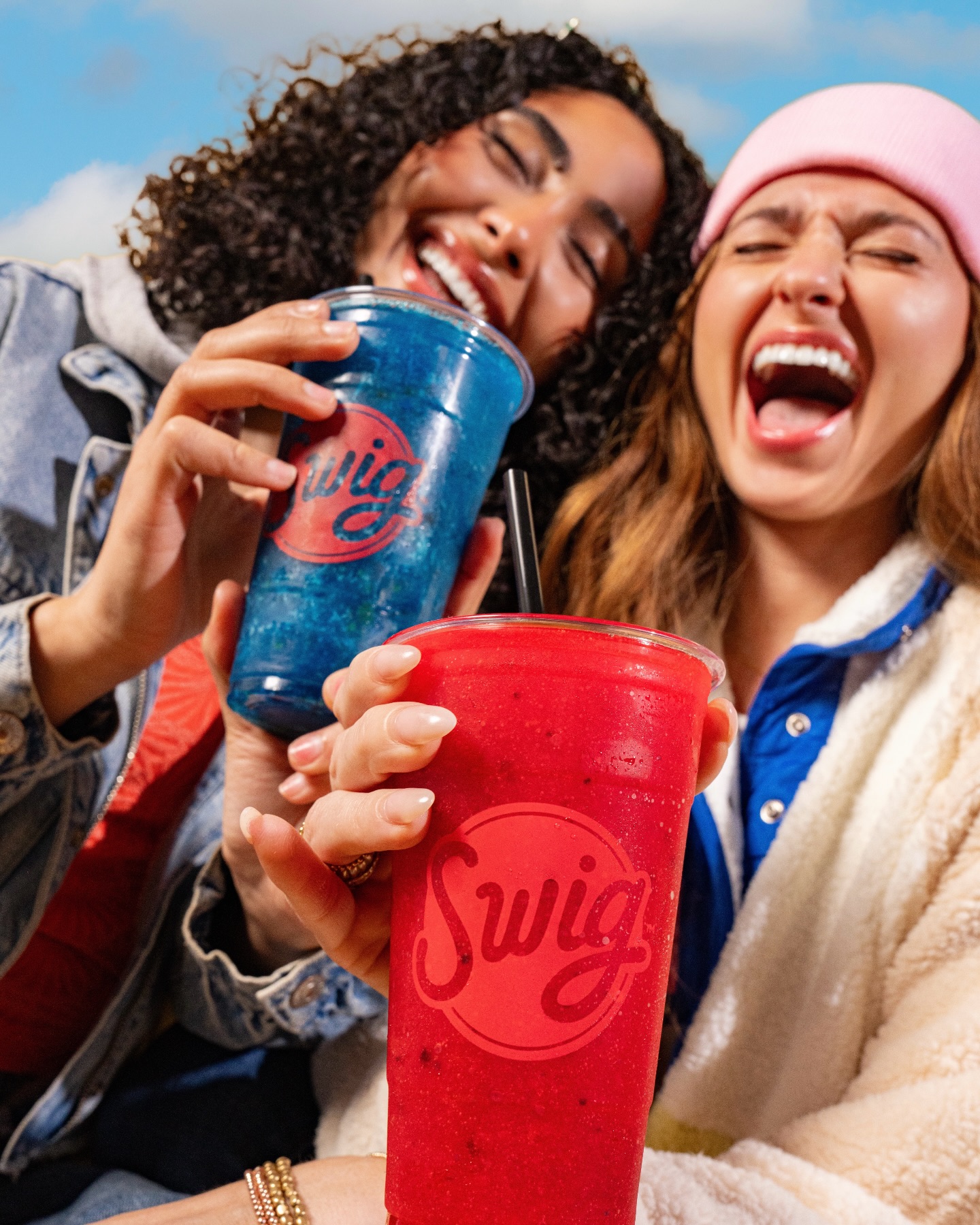
By the early 2010s, that practice had become structured enough to support dedicated shops. One of the first, Swig in Utah, helped popularize the term “dirty soda,” eventually turning it into a recognizable category of drink. Competing stores soon followed, and the trend spread beyond Utah through social media and national chains. What began as a regional adaptation to religious practice slowly transformed into a broader lifestyle beverage.
The arrival of dirty soda on McDonald’s menu signals the final stage of that evolution: normalization. A drink once rooted in a specific religious context is now being reframed as a mainstream flavor experience, detached from its origins but still shaped by them. It is a familiar pattern in American culture, where local practices—especially those born out of constraint—often become sources of broader innovation.
Seen in that light, dirty soda is not simply a novelty. It is an example of how cultural boundaries can produce creativity, and how religious practice, even in its most ordinary daily habits, can leave a subtle imprint on national taste.