
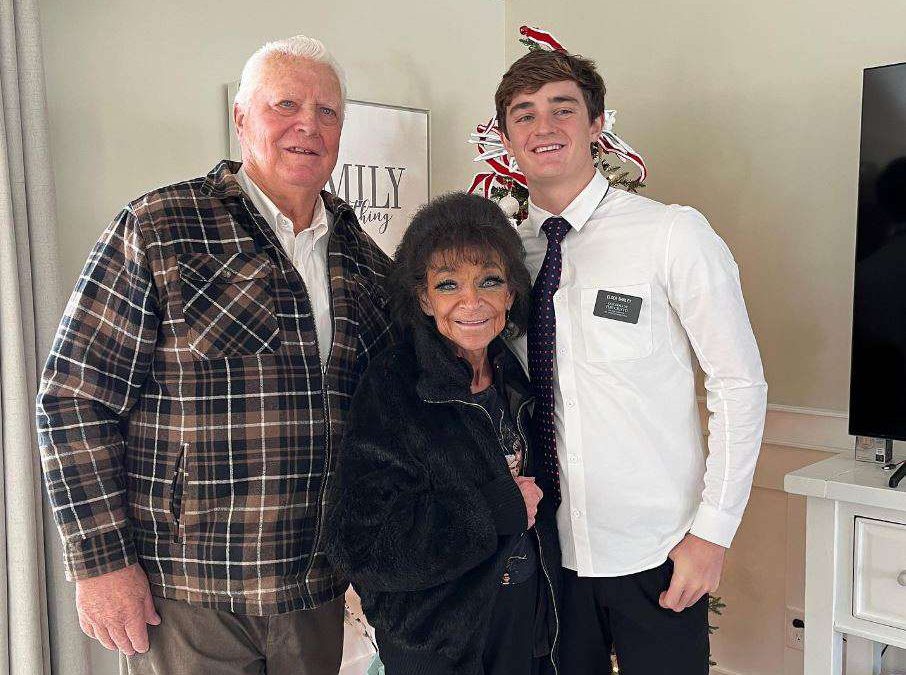
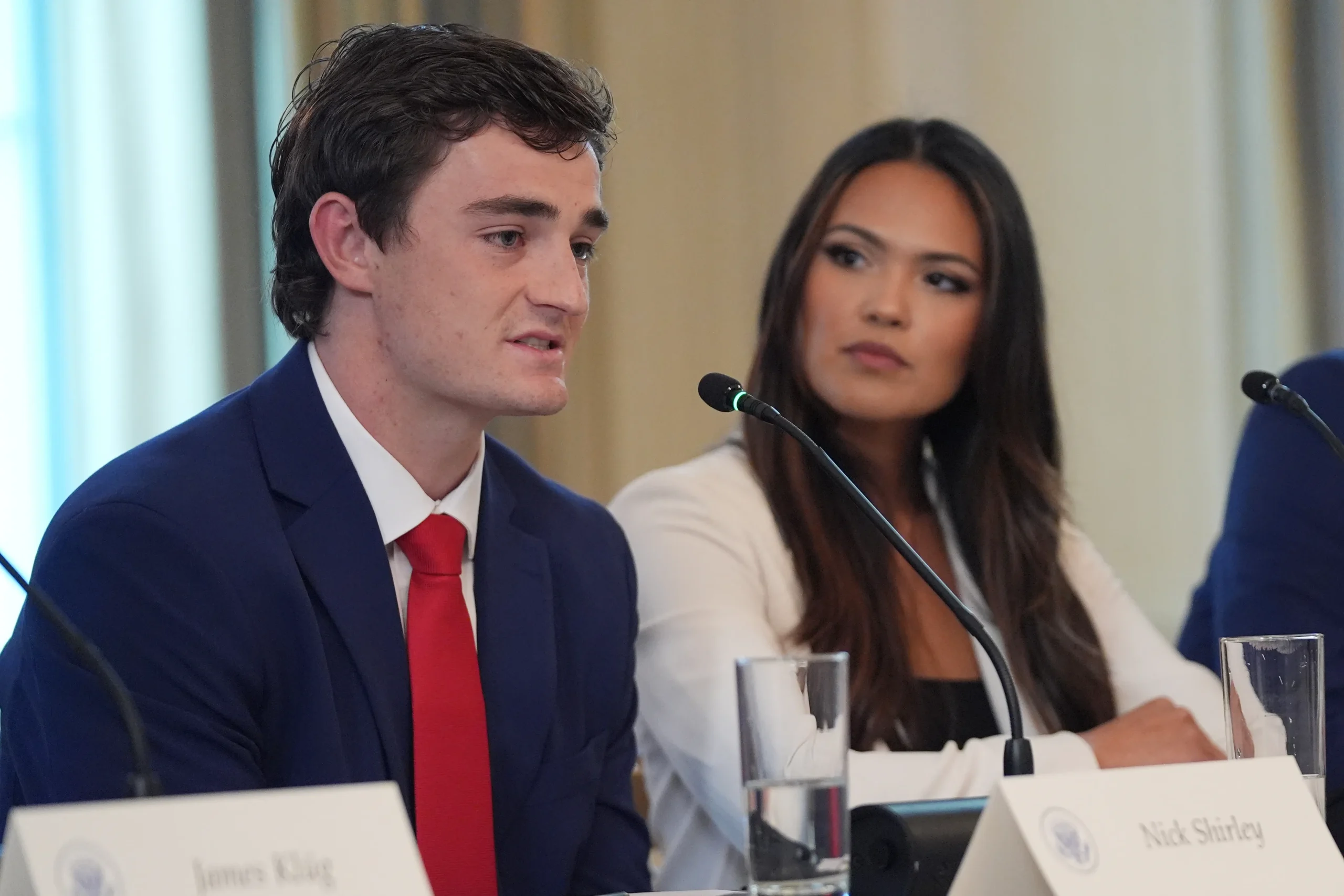
Federal investigators are examining a series of alleged fraud schemes tied to Minnesota’s public assistance programs that prosecutors estimate could total as much as $9 billion, making the case one of the largest of its kind in U.S. history. The investigations, which span multiple state and federally funded programs, have drawn renewed national attention following a viral social media video posted by Utah-based YouTuber Nick Shirley.
Shirley’s video, published in late December, shows him visiting several federally supported child care centers in Minneapolis and alleging that some were operating without children present while still receiving public funds. The video quickly spread across social media platforms, drawing commentary from prominent political figures and prompting heightened public scrutiny of Minnesota’s oversight of social services.
In the days following the video’s release, the Trump administration announced it would temporarily freeze federal child care funding to Minnesota while federal agencies review program compliance. The U.S. Department of Health and Human Services also unveiled stricter documentation requirements for Medicaid-supported child care claims nationwide, including new receipt and photo verification standards.
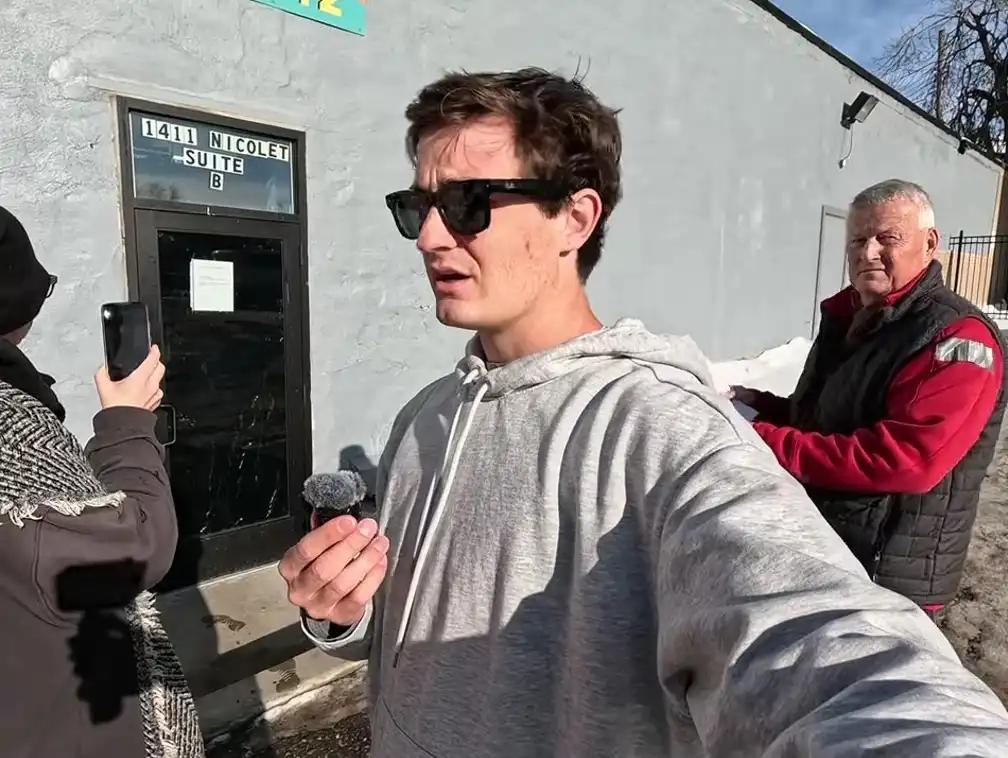
While Shirley’s video focused primarily on day care centers, federal officials say the scope of the investigation is far broader. Law enforcement agencies have been probing fraud allegations in Minnesota since at least 2021, with cases involving nutrition assistance, housing stabilization programs, and behavioral health and autism services. To date, prosecutors have charged more than 90 individuals in connection with various schemes, with dozens of convictions already secured.
The largest and earliest case involved Feeding Our Future, a nonprofit that prosecutors say fraudulently claimed to distribute meals during the COVID-19 pandemic while submitting falsified records and invoices. That case alone involved more than $250 million in alleged losses and has been described by federal authorities as the largest pandemic-era fraud prosecuted in the United States.
Additional investigations have since uncovered alleged abuses in housing programs designed for seniors and people with disabilities, as well as Medicaid-funded autism services. Prosecutors argue that some programs were particularly vulnerable due to minimal entry requirements and limited oversight, allowing fraudulent providers to submit inflated or fictitious claims.
Minnesota Gov. Tim Walz has faced growing scrutiny over his administration’s handling of the issue. While acknowledging that fraud losses could reach into the billions, Walz has disputed the $9 billion estimate cited by federal prosecutors and defended the state’s response, pointing to audits, closures, and reforms implemented in recent years.
The controversy has also taken on a political and social dimension. President Trump and some Republican lawmakers have criticized Minnesota officials and focused attention on the fact that many defendants in the fraud cases are of Somali descent, remarks that have drawn sharp criticism from state and local leaders, who warn against stigmatizing entire communities.
Despite online speculation, federal investigators have emphasized that there is currently no evidence that stolen funds were used to support terrorism. Officials say most recovered information indicates the money was spent on personal purchases, real estate, and overseas transfers unrelated to extremist activity.
As investigations continue, Minnesota lawmakers and federal officials say additional charges are possible. Audits are underway across multiple programs, and new oversight measures are expected to reshape how states administer and monitor public assistance funding nationwide.
For now, the case remains a complex and evolving investigation—one that has moved from court filings and audit reports into the center of a national debate over accountability, oversight, and the role of citizen journalism in uncovering alleged government fraud.
Related posts:
 Church Clarifies Caffeine Use to Latter-day Saints
 Church Leaders Encouraged Members To Extend Love And Encouragement To The LGBT Members
 Church Members In West Virginia Have Been Identified As Safe After Major Flooding In West Virginia
Church Representatives Support Prayer Breakfast at UK Parliament
Church Members In West Virginia Have Been Identified As Safe After Major Flooding In West Virginia
Church Representatives Support Prayer Breakfast at UK Parliament